What Features Matter Most After One Year of Use?
Posted in Angelcityfurniture
The first impression of a smartphone often focuses on performance, design, and new features. After one year, priorities shift. Users begin to evaluate how well the device holds up in daily life. Smooth operation matters, but consistency becomes more important. Comfort, durability, and reliability start to define the overall experience. A phone that feels good in the hand every day and performs without friction stands out more than one that simply impressed at the beginning. Over time, small details become significant. The way a device fits into daily routines determines its long-term value. Understanding these factors helps explain what truly matters after extended use.
How Physical Design and Build Quality Define Long-Term Experience?
Everyday Comfort Becomes a Priority
After months of use, physical comfort plays a key role in user satisfaction. A device that feels balanced and easy to hold reduces strain during long sessions. Weight and thickness influence how natural the phone feels in daily handling. A lighter design improves usability, especially when users rely on their phones for extended periods. Smooth edges and well-shaped corners also enhance grip and comfort. Over time, these elements affect how often and how easily users interact with their devices. A comfortable design supports consistent use without causing fatigue or discomfort.
Durable Materials Maintain a Premium Feel
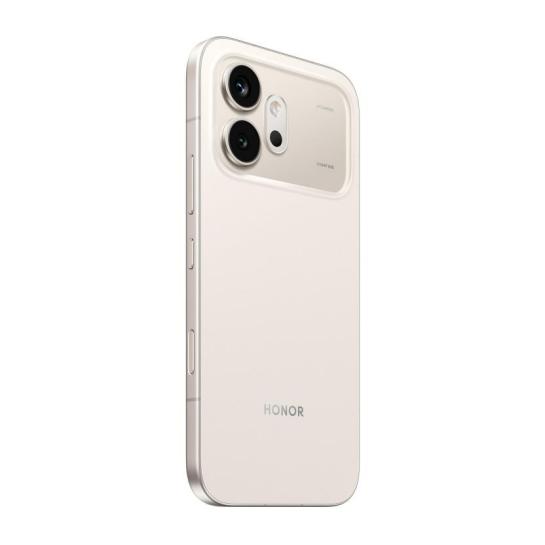
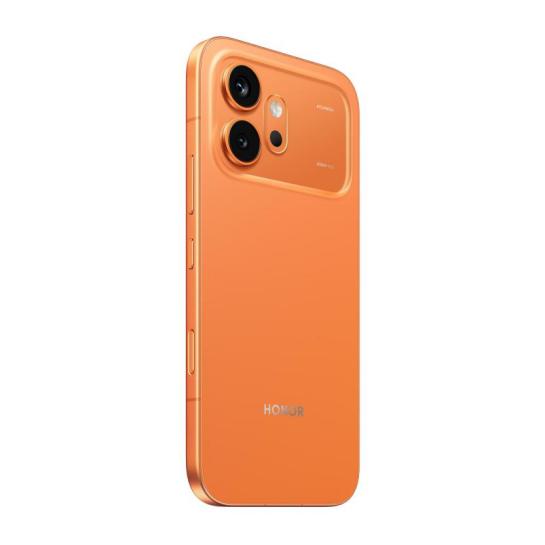
Build quality becomes more noticeable with long-term use. Materials that resist wear help maintain the device’s appearance and structure. A matte metal frame, for example, offers both strength and a refined texture. It provides a stable grip while reducing visible wear from daily handling. Structural integrity also affects confidence. Users feel more secure using a device that maintains its shape and finish over time. Design elements such as a unibody structure contribute to this durability. These features ensure that the phone continues to feel reliable and well-crafted even after extended use.
Display Design Influences Daily Interaction
The display remains one of the most frequently used components. After one year, users pay attention to how immersive and comfortable it feels. A bezel-free design with narrow borders creates a wider viewing experience. This improves readability and visual engagement. Symmetrical shapes and balanced proportions also contribute to visual comfort. Users interact with their screens constantly, so consistency in display quality becomes essential. A well-designed display supports both work and entertainment, making daily tasks more enjoyable and efficient.
How Do Core Functional Features Prove Their Value Over Time?
Camera Performance Matters in Real Situations
Camera quality becomes more meaningful after repeated use in different environments. Users rely on their phones to capture everyday moments, from quick snapshots to detailed photos. A high-resolution main camera combined with advanced stabilization ensures consistent results. Features like optical and electronic stabilization help maintain clarity, even in challenging conditions. Over time, users appreciate cameras that deliver reliable performance without requiring adjustments. A strong camera system supports creativity and convenience, making it a key factor in long-term satisfaction.
Charging Speed Supports Daily Efficiency
Battery management becomes more noticeable after extended use. Fast charging allows users to quickly power up their devices during busy days. This reduces downtime and keeps the phone ready when needed. Reverse charging adds flexibility, allowing users to support other devices when necessary. These features become part of daily routines. Instead of worrying about battery levels, users focus on their activities. Devices such as the HONOR 600 5G phone reflect how efficient charging solutions can support long-term usability by keeping energy management simple and reliable.
Display Visibility Enhances Outdoor Usability
Screen visibility plays a critical role in real-world conditions. Users often rely on their phones outdoors, where lighting conditions vary. Features like sunlight mode improve clarity and contrast, making content easier to see in bright environments. This ensures that users can access information without adjusting their position or covering the screen. Over time, consistent visibility becomes an essential feature. It supports navigation, communication, and content consumption in different settings. A display that performs well across environments adds practical value to daily use.
Conclusion
After one year of use, the features that matter most are those that support consistency, comfort, and reliability. Physical design influences how the device feels during everyday interaction, while durable materials ensure it maintains its quality over time. Functional features such as camera performance, charging efficiency, and display visibility prove their value through repeated use in real situations. These elements define the long-term experience more than initial specifications. A smartphone becomes a daily companion, and its ability to integrate seamlessly into routines determines its overall success. Understanding these priorities helps users choose devices that deliver lasting value beyond the first impression.